
I sat in the emergency room that fateful evening, Sunday, July 25, 2010 in a wheel chair. My left foot was ridiculously swollen, but I was convinced it was just a sprain. Earlier in the day, I stepped in a hole at the park and fell.
Why aren’t these stories ever good? There was nothing dramatic about it. I just fell.
As I sat there waiting, in shock and painless, my eyes locked with her light blues. And I smiled at her. She was clearly in the beginning stages of labor, being pushed in a wheel chair by a Hispanic man. Only four years earlier, I too, had entered those same hospital doors in a wheel chair, about to give birth to my little girl. I remembered how much I hated labor and silently encouraged her and sent up a prayer.
The moment between us was so brief that it faded into my memory.
After an x-ray and a CT, I learned that my foot was in fact broken, and that is how my softball season ended. This painful moment in my life seemed utterly pointless and quite disruptive. As the years went on I got stronger and recovered fully, even able to compete in triathlons, half marathons and a full marathon. My broken foot was barely a blip in my memory, except for the nagging question of “why?” People break bones everyday, but something about this evening seemed important, as if it had a deeper meaning. How would this awful event be redeemed?
I began working in a foster care agency, and while I wasn’t a licensed foster parent, I had certainly thought about it a lot. One weekend a coworker asked me to help out with two kids who were living with their grandparents. Grandma was overwhelmed and needed a break.

That weekend was beautifully devastating. It was uncharacteristically warm for February, sandwiched between two heavy spring blizzards. Between playtimes at the park and bed time stories, the pair shared details with me about their lives that shattered my heart. They were only 4 and 5 years old. I fell in love with these children and knew in my heart that they were mine. I was meant to be their mom, absolutely no doubt about it. When their grandmother came to pick them up on Sunday afternoon, the 4 yr old ran screaming down the sidewalk. I chased after her and picked her up, but she clung to my neck, refusing to go with the woman who was supposed to be safe. I held back tears as I pried her fingers from my shirt collar, and then helped her buckle in the van.
The following week I let the tears flow. Something was desperately wrong. Things were not okay, but there was nothing I could do for them. In fact the events were so disruptive that their grandmother changed supporting agencies. The state did nothing, whether they could or not, I do not know. I lost all shred of contact.
Over the following few months I prayed for them. These two kids were always heavy on my heart. One particular day I offered up a guttural prayer: Lord, do something! Nothing eloquent, perhaps not even respectful. It was nothing short of demanding God, the creator and sustainer of the universe, to move into a situation I knew was desperate.
The next afternoon I was in my coworker’s office and she said to me, “Hey, they are looking for a placement for Gabriel. Do you want him? It’s probably permanency.” This meant he was needing a home that would adopt him. It took me a minute to register what she was saying.
So on July 5, 2016, a sweet little five-year-old named Gabriel moved into my home after residing in my heart for five months already. The immediate permanency I was promised turned into a rollercoaster rivaling the ones I refuse to ride a second time at Disney Word. In the mean time, Gabe lost all contact with his sister.
These are the greatest atrocities of foster care.
The prolonging of time in care. The rapid and unnecessary changes. Loss of contact with family. Few people want to ride it twice. Some kids ride it their entire lives.
It wasn’t the first birthday Gabe had in my home that I had a revelation. It was the second one. The one that we celebrated along with a going away party. The plan was that the next week he would officially move in with his dad. My grief was heavy. I was terrified and angry. Perhaps God’s purposes were revealed to me as a promise in the midst of my agony.
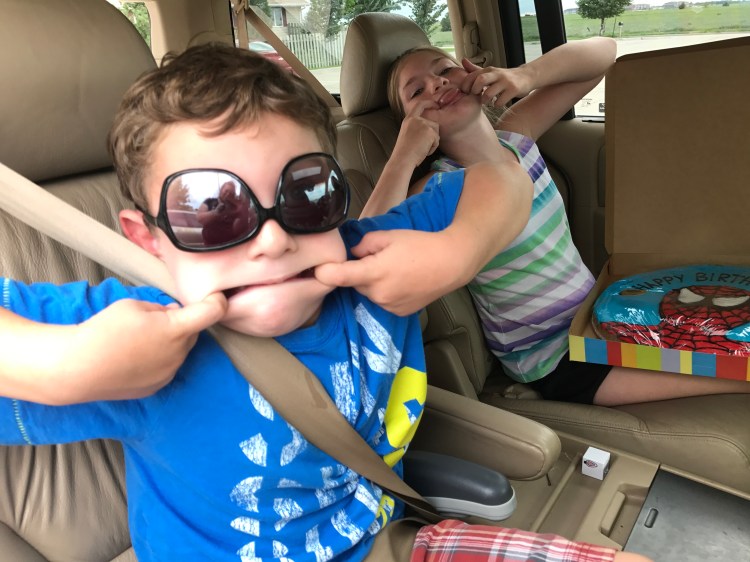
I was present for his sixth birthday, and his seventh, but I was also there for the first. I just had no idea.
My memory came rushing back to me. Sitting in that emergency waiting room, the woman’s light blue eyes. The exchanged smiles. The Hispanic man.
I broke my foot on July 25, 2010. Gabe was born on July 26, 2010 at the exact same hospital.
I was there.
Suddenly, I saw how our timelines and sequences had been woven together and that I was absolutely meant to be his mom. Through the devastation of his leaving me, I had faith that he would return, and he did. Eighteen months later I had the privilege and responsibility given to me to officially and legally become his mother.
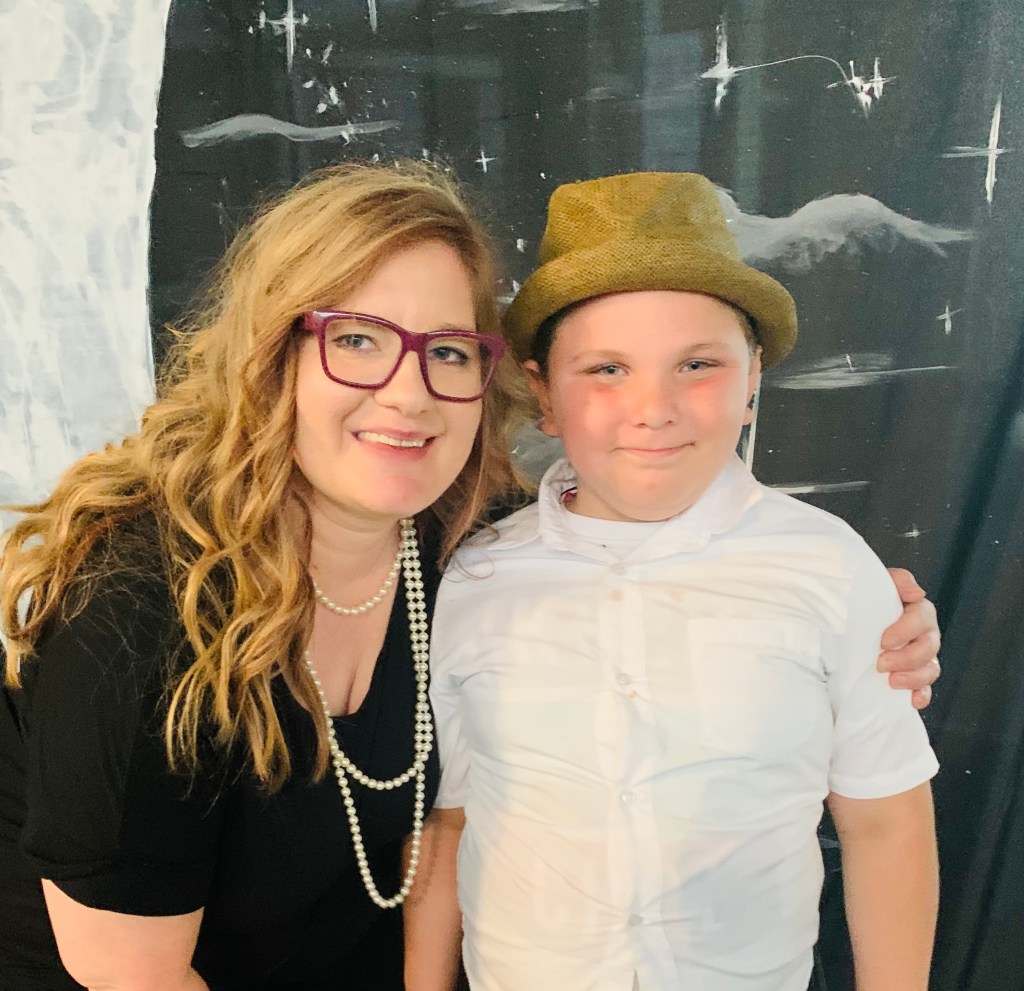
This is our birth story. The story we share every year on his birthday. “You were there, right, mom? You saw me? You saw my mom?” he begs to know. “Yes honey, I was there.”
But other days he wants to know what took me so long to get to him. He wants to know why he had to endure the pain he did, the traumas that linger now into his future.
Most adoptive families don’t have a story like this, but every adoptive family has one of connection, of knowing. He doesn’t share a single strand of my DNA, but he is thoroughly my son.
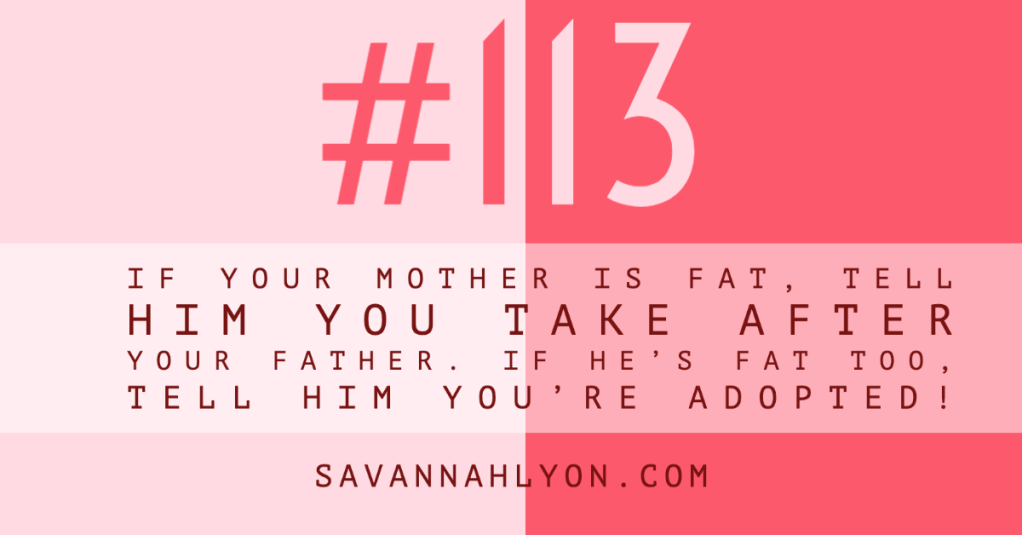
The writers of the 1958 McCall’s article 129 Ways to Get a Husband had the gift of ignorance. They had no idea the pain and loss brought about by adoption, but they also were ignorant of the strands of connection that exist between an adoptee and the parents who birthed him only in their hearts. There is much to say about #113: “If your mother is fat, tell him you take after your father. If he’s fat too, tell him you’re adopted!”
So. Much. To say.
As beautiful as our story is, the reality is that as I sit here typing this, my son’s heart weighs heavy in his loss. He is running and playing with his friend, but he shares that he wishes his dad were here to see him turn 11. His dad didn’t see him turn 10 or 9 or even 6. He also wasn’t there when he was born. But he wishes they had a future together. Unfortunately, his dad passed away last year.
I wonder about my son’s mother. Is she replaying this day 11 years ago in her mind? Is she wondering about him and the woman he now calls mom?
These beautiful complexities deserve so much more than a flippant excuse for one’s embarrassment of their parents. This lie reduces the privileges and responsibilities of parenthood to genetics, as if body image is more important than the content of one’s character and the strength of their faith.
So let’s retire this “joke.” There’s no reason to continue making light of the heavy burden that adoption carries.
 Savannah Lyon
Leave a comment